




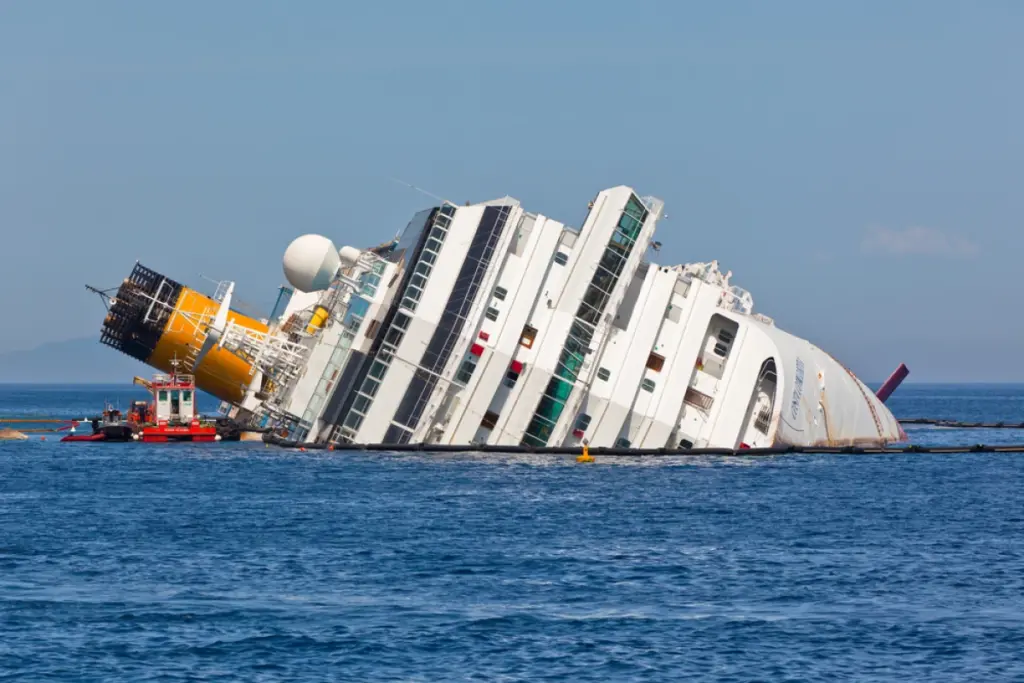
Marine related property losses can create complex insurance situations for vessel owners, marina operators, and waterfront businesses. Damage to boats, docks, marina facilities, and marine equipment often involves specialized materials, environmental exposure, and unique repair requirements that must be carefully documented during the insurance claim process.
Pacific Public Adjusters assists policyholders in Spokane and throughout Eastern Washington with navigating marine insurance claims after accidents, storms, fires, collisions, and other types of losses. Our role is to evaluate the damage, organize detailed claim documentation, and present the loss in a way that reflects the full repair needs of the vessel or marine property.
Because marine claims often involve structural, mechanical, and environmental factors, properly documenting the damage early in the process can make a significant difference in how the claim is evaluated by the insurance carrier.
When a marine loss occurs, quick action is important. Our team responds promptly to inspect vessels, docks, or marina property and begin documenting damage before conditions worsen.
Marine insurance policies can be complex. We review policy details, identify available coverage, and prepare documentation that supports the full scope of the claim.
Our team has experience handling marine related insurance claims involving vessels, docks, cargo, and waterfront structures. We focus on presenting clear, accurate documentation for fair claim outcomes.
As a locally based team, we understand regional waterways, weather conditions, and marine operations in Eastern Washington, allowing us to evaluate marine losses with better context.
Marine insurance claims may involve a variety of situations including vessel damage, marina property damage, dock failures, storm losses, fire incidents, or water intrusion affecting mechanical systems. These losses can impact navigation systems, engines, structural components, electrical systems, and other specialized equipment.
In Spokane and surrounding areas where boats and marine facilities operate on lakes and waterways, environmental exposure and weather conditions can also play a role in marine losses. Wind events, severe storms, and seasonal conditions can contribute to damage that requires detailed inspection.
Properly documenting these losses helps ensure the insurance claim reflects the actual scope of repairs required rather than a limited assessment focused only on visible damage.
Marine claims often arise from unexpected events that affect vessels or waterfront infrastructure. Some of the most common situations include fire damage, vessel collisions, storm related losses, and mechanical failures caused by water intrusion.
Each situation requires careful inspection to determine how the damage occurred and which areas of the vessel or property were affected.
Fire related marine losses can affect much more than the immediate burn area. Heat exposure, smoke contamination, and firefighting efforts may impact wiring systems, engines, control panels, and structural materials throughout the vessel.
In many cases, the full extent of the damage becomes clear only after detailed inspection and testing. Proper documentation ensures these hidden impacts are included in the insurance claim.
Water intrusion can severely affect marine equipment and vessel components. Electrical systems, engines, navigation equipment, and interior materials can all be damaged when water enters areas not designed for prolonged exposure.
Flooding or water infiltration may also impact marina buildings, docks, and storage facilities. Documenting how water moved through the vessel or structure helps support the claim and determine necessary repairs.
Collisions with other vessels, docks, or underwater obstacles can cause structural damage to hulls, propellers, and steering systems. Even when external damage appears minor, internal components may be affected.
Grounding incidents can also place significant stress on structural elements of a vessel. Detailed inspection helps determine whether structural repairs or mechanical adjustments are required.
Severe weather events can damage vessels, marina infrastructure, and waterfront facilities. High winds, waves, and floating debris may impact hulls, dock systems, roofs, and mooring equipment.
In Spokane, storm conditions and seasonal weather patterns can expose marine equipment and structures to sudden environmental stress. Accurate documentation helps connect the damage to the weather event and supports the insurance claim.
Marine losses often involve specialized systems and materials that require technical evaluation. Engines, navigation systems, structural hull components, and electrical wiring must all be inspected to determine the true extent of the damage.
Insurance carriers typically rely heavily on documentation when evaluating marine claims. Photographs, inspection reports, repair estimates, and maintenance records can all help demonstrate how the loss occurred and what repairs are necessary.
A well organized claim helps reduce misunderstandings, delays, and disputes during the claim process.
Navigating a marine insurance claim can be challenging, particularly when the loss involves complex equipment or large repair costs. Property owners may need to coordinate inspections, gather documentation, communicate with insurers, and plan restoration work at the same time.
Having a structured approach to the claim helps ensure that the damage is properly evaluated and that repairs can move forward without unnecessary complications. The goal is to present a clear and well supported claim that reflects the actual repair needs of the vessel or marine property.
Marine property owners throughout Spokane and surrounding communities rely on professional claim representation to help manage the insurance process after significant losses. Whether the claim involves vessel damage, marina infrastructure, or waterfront property, careful documentation and organized communication with the insurance carrier are essential.
Proper claim preparation helps ensure the damage is evaluated accurately so repairs and recovery can move forward with fewer delays.
When a marine loss occurs, quick action is important. Our team responds promptly to inspect vessels, marinas, and marine property so damage can be documented before conditions worsen.
Marine insurance policies can be complex. We review coverage details and prepare clear documentation that supports the claim and helps prevent unnecessary disputes.
We handle marine related insurance claims involving vessels, docks, cargo, and waterfront infrastructure. Our focus is accurate documentation and fair claim outcomes.
As a locally based team, we understand regional waterways, weather exposure, and marine operations, helping us better evaluate marine losses and support insurance claims.
A marine insurance claim is filed when a boat, vessel, marina property, or marine equipment experiences damage due to events such as fire, storms, collisions, flooding, or mechanical failure. The claim allows the policyholder to request compensation from their insurance carrier for repair, replacement, or restoration costs related to the loss.
Marine insurance policies may cover damage to vessels, docks, marinas, navigation equipment, engines, and other marine infrastructure. Coverage often includes losses caused by storms, fire, collisions, grounding incidents, and certain types of water damage, depending on the terms of the policy.
The timeline for a marine insurance claim can vary depending on the extent of the damage and the complexity of the loss. Smaller claims may be resolved relatively quickly, while larger incidents involving structural repairs, environmental factors, or multiple inspections may take longer to fully evaluate and settle.
After marine damage occurs, the first priority is safety. Once the area is secure, documenting the damage with photos, videos, and written notes can help preserve evidence for the insurance claim. It is also important to notify the insurance company and begin the claim process as soon as possible.
Yes, many marine insurance policies include coverage for storm related damage. High winds, waves, debris impact, and severe weather can damage vessels, docks, and marina facilities. Proper documentation of the damage and the weather event helps support the claim.
Marine insurance claims may involve a wide range of vessels including recreational boats, fishing boats, yachts, commercial vessels, and other watercraft. Coverage can also apply to equipment, storage facilities, and waterfront infrastructure depending on the policy.
Marine losses can involve structural, mechanical, and environmental factors that may not always be visible immediately. Detailed documentation helps demonstrate how the damage occurred, what components were affected, and what repairs are required to restore the vessel or property.
Yes, marine insurance claims may involve damage to docks, marina buildings, walkways, lifts, and other waterfront structures. Storms, vessel impacts, and water related incidents can affect these structures and require inspection and repair.
Marine claims may involve specialized equipment, environmental exposure, and technical repairs that require detailed evaluation. Differences in damage assessments, policy interpretation, or repair costs can sometimes lead to delays or disputes during the claim process.
In many cases, marine insurance policies include coverage for onboard equipment such as navigation systems, communication devices, engines, and electrical components. Coverage depends on the specific policy and the circumstances of the loss.
Pacific Public Adjusters supports homeowners and business owners throughout Spokane and across Washington state with professional insurance claim representation.
We handle claims involving water damage, fire and smoke losses, storm damage, sewage backups, and other covered events, guiding policyholders through each stage of the claims process with clear communication and organized support from beginning to settlement.